Week 15 – Day 1
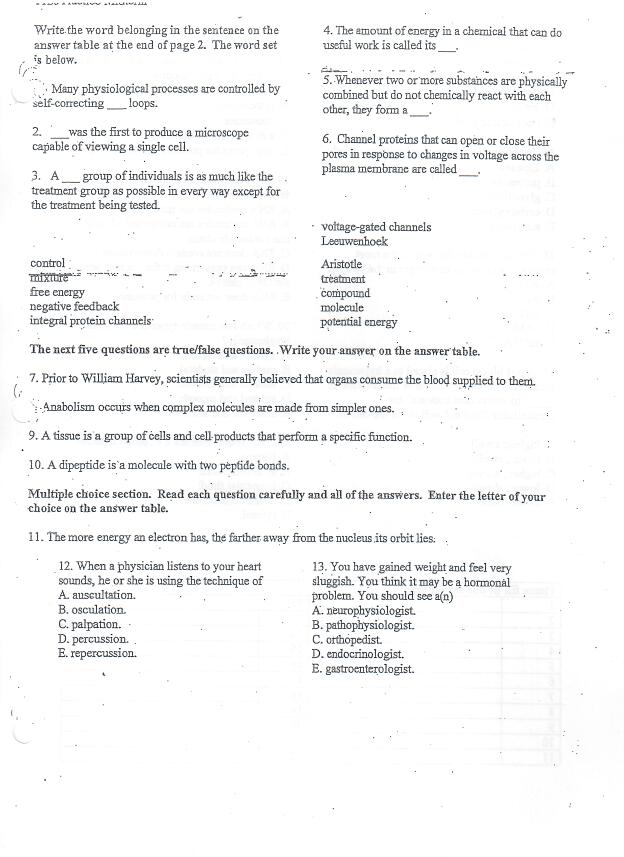
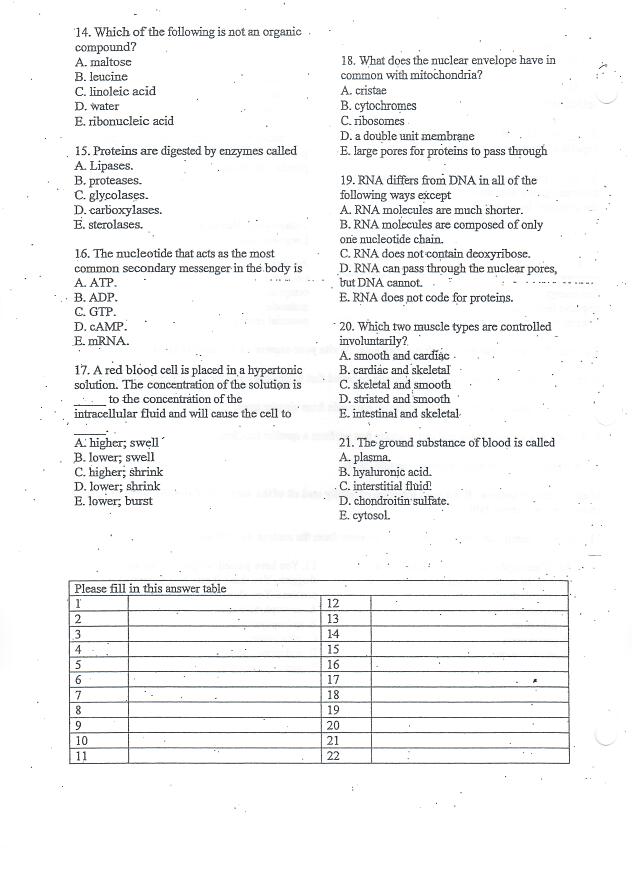
Final Exam – TBA
Week 14
Week 14 – Day 1
Reproduction/Human Development
Week 14 – Day 2
Human development
Hearing assignment due
Science Bingo
Week 14 – Day 3
Lab quiz 3
Embryo Lab at VCC
Week 13
Week 13 – Day 1
Week 13 – Day 2
Male Reproductive system:
Female reproductive system and hormones video (Armando) with worksheet:
Worksheet:
Week 13 – Day 3
VCC lab day: rat dissection
Week 12
Week 12 – Day 1
TASTE AND SMELL
Watch this crash course on taste and smell and complete the worksheet below.
Watch this video about hearing: click here.
Week 12 – Day 2
Endocrine System
Crash course video: https://www.youtube.com/watch?v=eWHH9je2zG4
Jamboard activity
Week 12 – Day 3
Male reproductive system
Quiz 2
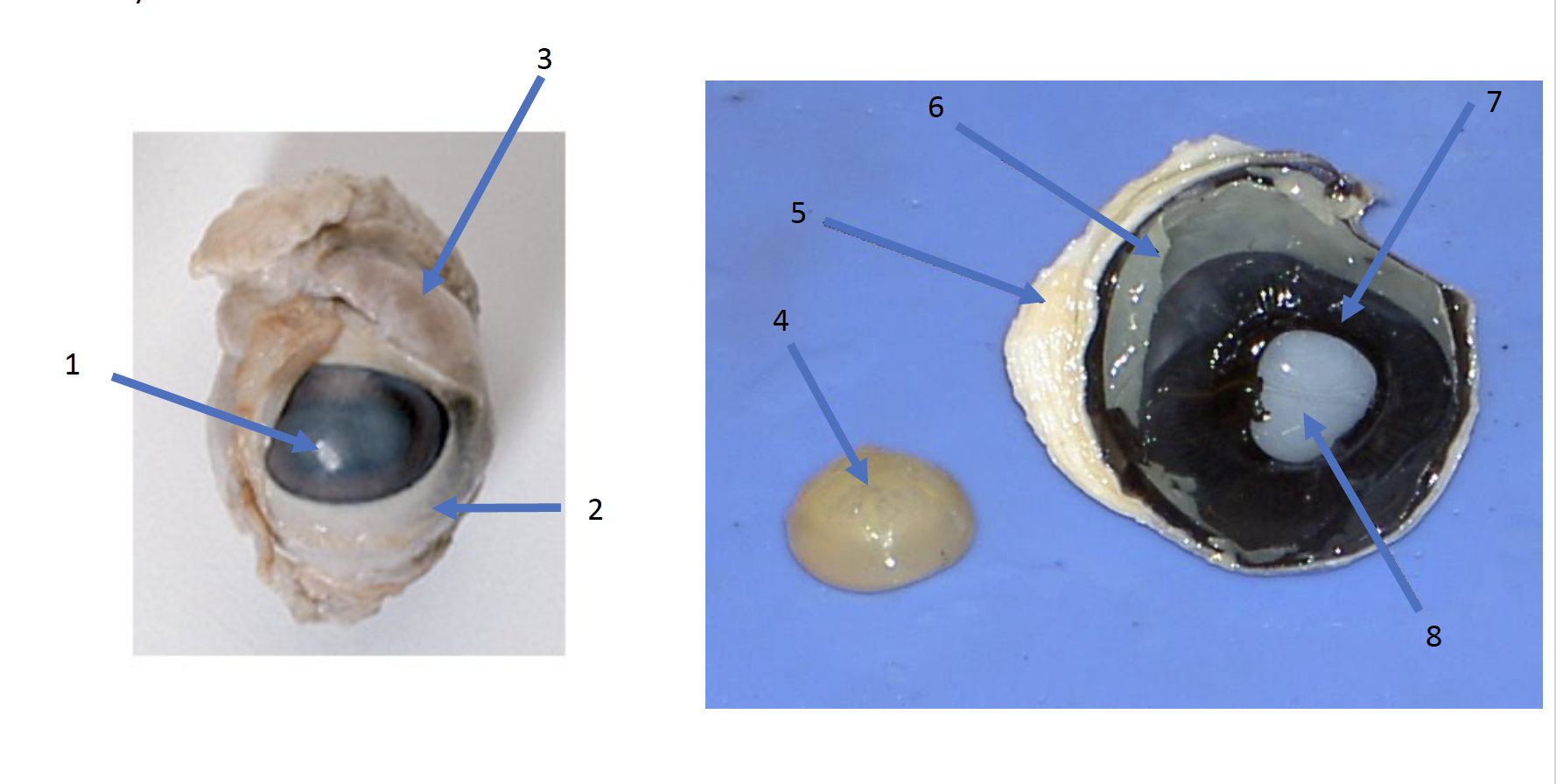
Eye Dissection
Reflexes and Reactions report due
Week 11
Week 11 – Day 1
TBA
Week 11 – Day 2
This is an optional review video for general senses and receptors.
Review: General senses and types of sensory receptors.
Watch this TED ED on caffeine and how it blocks receptors – click here.
Watch this video on pain and answer the questions below. Send to the instructor by the end of the day. Pain Video.
Optional article on pain receptors: click here.
Week 11 – Day 3
Virtual eye dissection: click here
VISION
Watch: How do glasses help us see?
Watch this Crash Course video, and fill out the worksheet below: Vision
Watch gross anatomy of the eye, as a supplement to the eye dissection. Click here.
Watch: Visual pathways (optional) by UBC Faculty of Medicine (11 minutes – very interesting) – click here
Understanding phototransduction in rods and cones: 2 minute video
Investigate colour blindness. Click here.
Just for fun – coolest eyes in the animal kingdom: science explorer
Week 10
Week 10 – Day 1
Lab: Senses
Week 10 – Day 2
Chapter 16 – the senses. Please watch on the 1120 playlist:
1120 Ch16 Senses (1)
Week 10 – Day 3
Ch 16 – the senses. Please watch:
1120 Ch 16 Senses 2 Vision 1, and Vision 2 + Ch16 senses 4 taste and smell
Week 9 – Day 1
TBA
Week 9 – Day 2
ANS introductory video and worksheet:
ANS quiz and crossword
Quizlet ANS quiz : Quiz and flashcards for practice.
Armando ANS review YouTube:
Week 9 – Day 3
Senses lab at VCC.
Eye dissection
Week 9
Week 8
Week 8 – Day 1
Week 8 – Day 2
Week 8 – Day 3
Reflexes and reactions lab at VCC
Reflexes and Reactions Lab
Week 7
Week 7 – Day 1
Please watch spinal cord lectures: 1 – spinal cord anatomy and tracts, and 2 – nerve plexuses.
UBC spinal cord interactive labelling activity. https://www.neuroanatomy.ca/modules/SpinalCord/story.html
Spinal cord: videos and exercises
Ascending and descending tracts:
Plexuses activity on jamboard
Week 7 – Day 2
The CNS – brain
Video – brain function – Armando
Teen Brains video vocabulary:
Brain function crossword:
Week 7 – Day 3
Midterm 1 at VCC
Week 6
Week 6 – Day 1
Midterm review and practice
Week 6 – Day 2
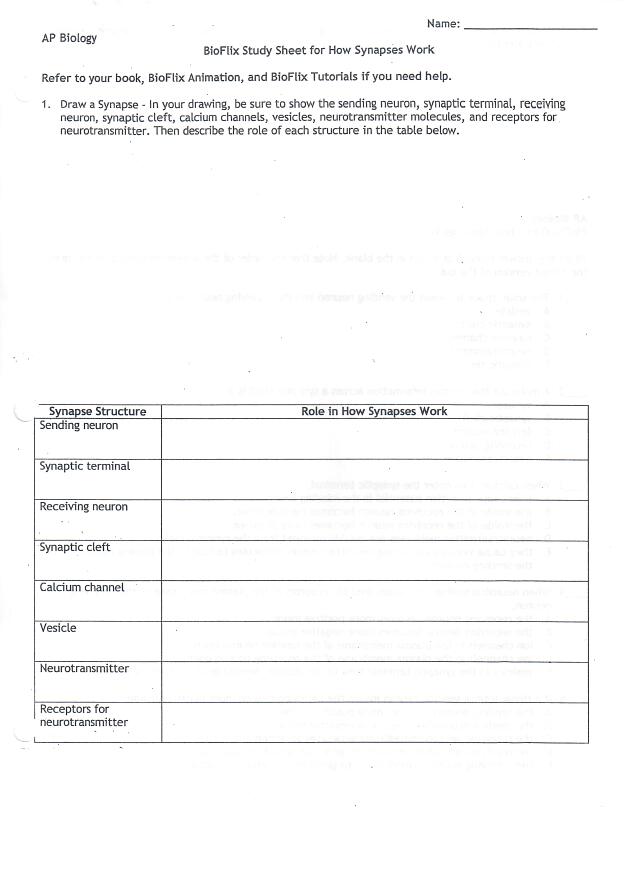
Synapses.
Video and quiz chemical synapses
Week 6 – Day 3
Lab at VCC – Brain dissection.
Quiz 1 at VCC, Labs: Orientation, microscopes, cells, histology.
Week 5
Week 5 Day 1
Histology lectures to watch: Histology 1, 2 and 3
Videos:
This Khan Academy video explains various cell junctions, such as tight junctions (like glue between cells and watertight – kidney, bladder …), desmosomes, allow water and ions through but cells held together in places of stress – kidneys, intenstines, and gap junctions, like a tunnel between cells allowing cellular components to flow from cell to cell (heart – intercalated disks).
This video by Dr. John Campbell describes exocrine and endocrine glands. Exocrine are ducted glands and usually multicellular, such as salivary, mammary, and sweat glands. Some, such as a goblet cell is one cell but as with all exocrine glands secretes substances to a surface. Endocrine glands, on the other hand, produce endocrine products (chemical messengers) and release them in the blood where they will reach a target cell with specific receptors for particular products. This may trigger a second messenger system, and produce a metabolic reaction in the target cell.
This Khan Academy video explains the inflammatory response – redness, swelling, heat and pain. Mucus and skin are the first defenders. If penetrated, injured cells release chemicals which activates a chain reaction involving white blood cells, antibodies, histamine, and other players.
This video by Dr. John Campbell discusses regeneration of tissue, through mitosis and migration tissue is replaced without injury. If there is an injury, the epidermis is very good at healing, often not leaving a scar. Bone heals well, and the liver regenerates (not with chronic insults however). Kidney endothelial cells can heal, but not whole nephrons are glomeruli. Lungs regenerate well, but not if continual injury due to smoking for example, then fibrosis occurs. Nerve cells don’t regenerate (except olfactory and peripheral nerves – but very slowly – 1mm/month).
Here are answer keys to the video questions for junctions, inflammatory response and glands.
Week 5 – day 2
Nervous Tissue.
Please watch for this week: Nervous tissue Chapter 12 – lectures 1-4
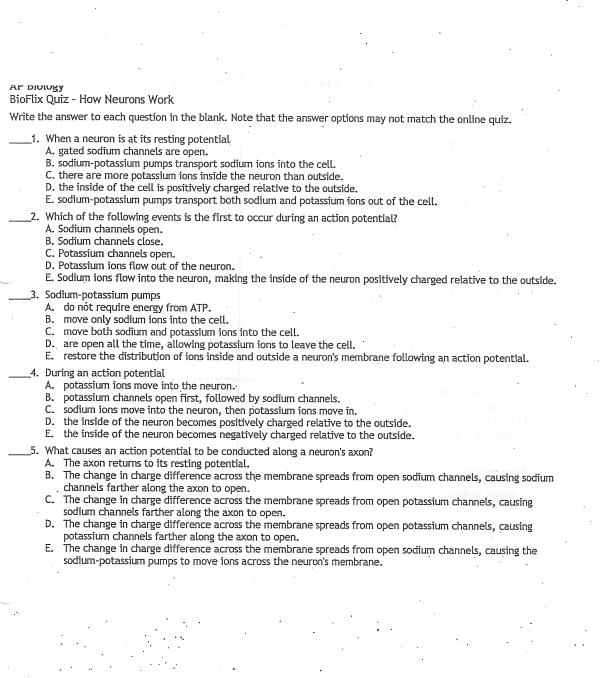
Animation and quiz/worksheet: How Neurons Work
Week 5 – Day 3
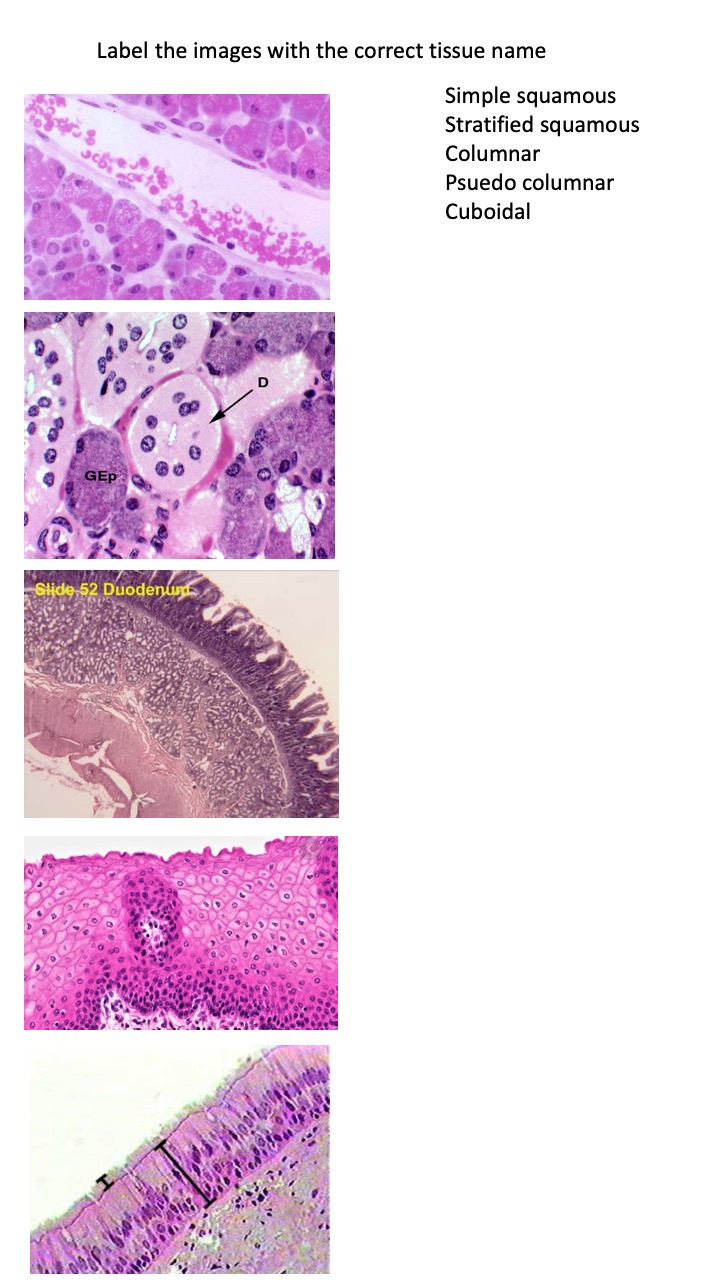
Histology lab – please have your lab manual handy, and paper for sketching. The textbook also has very useful diagrams.
Week 4
Week 4 – Day 1
Watch: Chapter 4 – Genetics 1-4
Review of genetics
Activities: protein synthesis worksheet
DNA replication lecture and worksheet:
Film: Personal DNA testing.
Week 4 – Day 2
Watch: Chapter 4 – Genetics 5-7
Introduction to population genetics
Week 4 – Day 3
Week 3
Week 3 – Day 1
Microscope lab review:
Chemistry activities
Review energy and chemical reactions
Review carbon
Review macromolecules (organic compounds)
Week 3 – Day 2
Cells
Quizzes for fun:
Bioflix films: membrane transport and tour of an animal cell
Organelle activity with Jamboard
Source for organelle function:
Week 3 – Day 3
Lab at VCC – cells
___________________________
Week 2
Week 2 – Day 1
Chapter 2 – Chemistry lecture in class
Here are answers to the hemoglobin video worksheet:
Free radicals and antioxidants video
Week 2 – Day 2
Watch 1120 Ch2 part 2 water, 1120 Ch2 all parts 3&4: lecture playlist
Water demonstrations and experiments may be at home. Gather any of the following items you may have in your home, and make a space for doing some water experiments.
- food colouring
- white flowers, preferably tulips
- A small glass for the flowers
- a medium sized glass
- raisins
- vinegar
- baking soda
- Three differently-sized containers for water with lids (small, medium, large)
- A glass with a flat top and about 20 quarters (or more)
Week 2 – Day 3
Microscope lab at VCC, room 3275.
Here are the manual pages to bring with you, as well as pencil/pen and paper for drawings:
____________________________
Week 1
Week 1 Day 1
Chapter 1 lecture: introduction to anatomy and physiology; history of medicine. You can find the lecture and a summary under the Biol 1120 tab.
Today I will lecture in person. In future, I may be assigning lectures to watch in advance.
Lectures are on my playlist: lecture playlist
Videos: 1) human body systems
2) vaccines,
3) leeches
The videos will have short questions to answer.
Week 1 Day 2
Chapter one continued. (parts 2,3,4 – also on: lecture playlist)
Videos: 1) human body systems
Lab: Orientation lab. This lab is about terminology describing direction and areas of the body. For example, supine (facing upwards), and epigastric region (one of 9 regions).
Here is a good YouTube video to learn terminology for anatomical orientation. https://www.youtube.com/watch?v=u7WXfp35FWk
And this YouTube for abdominal quadrants and regions: https://www.youtube.com/watch?v=oeFoxTi02yg
Please download the lab here:
Answer key for the orientation lab (excluding dental terms – won’t be tested) will be posted in the hall in one week.
For future labs, you should get the lab manual (or you can download it below), and the colouring book from the bookstore or Amazon.ca.
You can also download the entire lab manual here:
 VCC Biology - Instructor Maria Morlin